
Introduction
Scottish clan culture is steeped in centuries of history, identity, and tradition. From the rugged Highlands to the great clan gatherings, these customs have shaped Scotland’s national story and continue to influence modern celebrations. Among the many symbols associated with clan life, the quaich stands out as a powerful emblem of trust, unity, and hospitality.
Often referred to as Scotland’s Cup of Friendship, the quaich holds a unique place within Scottish clan traditions—bridging social ceremony, kinship, and historical practice.
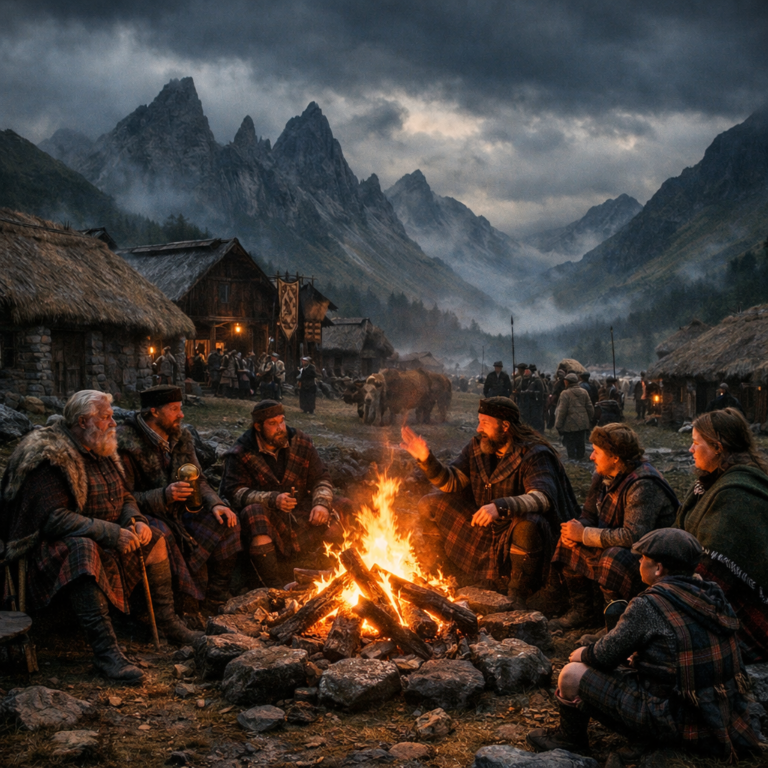
The Structure of Scottish Clan Society
To understand the significance of the quaich, it is important to first consider the structure of the Scottish clan system.
A clan was traditionally a kinship group bound by loyalty to a chief, often occupying a defined territory. While many members were related by blood, others pledged allegiance for protection, land, or social standing. The clan chief held authority and responsibility, acting as both leader and protector.
Key elements of clan identity included:
- Tartans associated with specific clans
- Crests and mottos symbolising heritage and values
- Gatherings and feasts reinforcing unity
- Oral traditions and storytelling preserving history
Within this framework, hospitality and loyalty were central values—and this is where the quaich played an important role.
Origins of the Quaich in Clan Culture
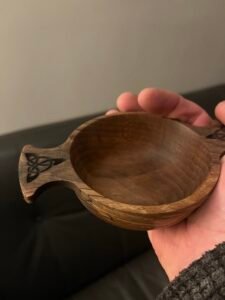
The quaich dates back to at least the 17th century, with early examples crafted from wood, particularly sycamore. These simple vessels were practical but deeply symbolic.
The design of the quaich is distinctive:
- A shallow bowl
- Two horizontal handles (known as lugs)
- Often made from wood, later evolving into pewter and silver
The two-handled design required the drinker to hold the cup with both hands, making it difficult to conceal weapons. In a time when inter-clan tensions and disputes were common, this simple feature carried significant meaning—it signified trust and peaceful intent.
The Quaich as a Symbol of Trust and Alliance
Within clan society, offering a drink from a quaich was far more than a gesture of hospitality. It was a symbolic act that reinforced alliances, settled disputes, and welcomed strangers.
During clan gatherings or meetings between rival groups, the sharing of a quaich could represent:
- A truce or agreement
- A gesture of mutual respect
- The establishment of friendship or alliance
To refuse a quaich when offered could be interpreted as distrust or hostility. To accept it was to acknowledge goodwill.
This ritualised sharing of drink became embedded in Highland culture, contributing to the quaich’s enduring reputation as a vessel of unity.
Clan Gatherings and Ceremonial Use
Clan gatherings were central to maintaining identity and cohesion. These events often included feasting, music, and ceremonial practices.
The quaich featured prominently in such occasions, particularly:
- Welcoming guests to clan lands
- Honouring visitors of importance
- Marking agreements or celebrations
- Toasting the clan chief and ancestors
In some cases, elaborately carved wooden quaichs were commissioned by wealthy clans, engraved with crests or inscriptions. These pieces served both practical and symbolic purposes, reinforcing lineage and status.
The Evolution of the Quaich Beyond the Clans
Following the decline of the traditional clan system after the 18th century, particularly in the aftermath of the Jacobite uprisings, many Highland customs began to evolve or fade. However, the quaich endured.
Rather than disappearing, it transitioned into broader Scottish culture:
- Used in formal ceremonies and state occasions
- Given as commemorative gifts
- Incorporated into military traditions
- Adopted into modern weddings and celebrations
Its meaning remained consistent—symbolising friendship, trust, and shared experience.
The Quaich in Modern Scottish Tradition
Today, the quaich continues to be used in ways that reflect its historical roots.
Weddings
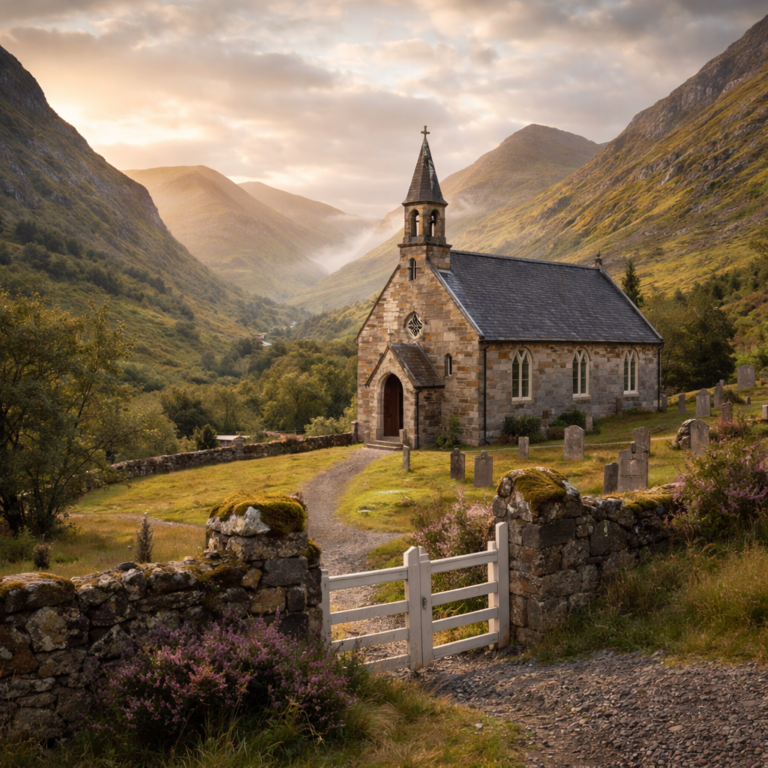
One of the most common modern uses is within Scottish wedding ceremonies. The couple share a drink from a quaich to represent:
- The joining of two families
- Mutual trust and partnership
- A shared future

Clan Gatherings and Heritage Events
Modern clan societies and gatherings still incorporate the quaich into ceremonial practices, maintaining continuity with the past.
Gifts and Commemorations
Quaichs are often presented to mark significant milestones, including:
- Retirements
- Anniversaries
- Official visits
- Achievements
Engraving adds a personal dimension, echoing the historical practice of marking ownership or allegiance.
Craftsmanship and Materials Through Time
The materials used to create quaichs have evolved alongside their cultural role.
- Wooden quaichs – Traditional and closely tied to early clan life, unique and individual
- Pewter quaichs – More accessible and widely used, mass produced
- Silver quaichs – Associated with wealth, status, and ceremonial use often mass produced
Despite these changes, the essential form has remained largely unchanged, preserving its historical identity.
Why the Quaich Remains Relevant
In a modern context, the enduring appeal of the quaich lies in its simplicity and symbolism. It represents values that were central to clan life but remain meaningful today:
- Hospitality
- Trust
- Connection
- Shared experience
At a time when traditions can easily be lost, the quaich provides a tangible link to Scotland’s past—particularly to the social and cultural fabric of clan society.
Conclusion
Scottish clan traditions are defined by loyalty, identity, and a strong sense of community. Within this historical framework, the quaich emerged as a powerful symbol of unity and trust.
From its origins in the Highlands to its place in modern ceremonies, the quaich has retained its meaning across centuries. It is more than a drinking vessel—it is a representation of the values that underpinned clan life and continue to resonate today.
In understanding the quaich, one gains insight not only into Scottish craftsmanship, but into the enduring principles of friendship and respect that shaped Scotland’s clan heritage.