Scottish weddings are rich in symbolism, heritage, and meaningful rituals that have been passed down through generations. Whether you’re planning a wedding, attending one, or simply exploring Scottish culture, understanding these traditions adds depth and appreciation to the celebration.
In this guide, we’ll break down the most important traditional Scottish wedding customs—what they mean, where they come from, and how they’re still used today.
The Importance of Tradition in Scottish Weddings
Scotland’s wedding customs reflect a blend of ancient Celtic beliefs, clan heritage, and Christian influences. Many traditions focus on unity, loyalty, and protection from bad luck, making them deeply symbolic as well as beautiful.
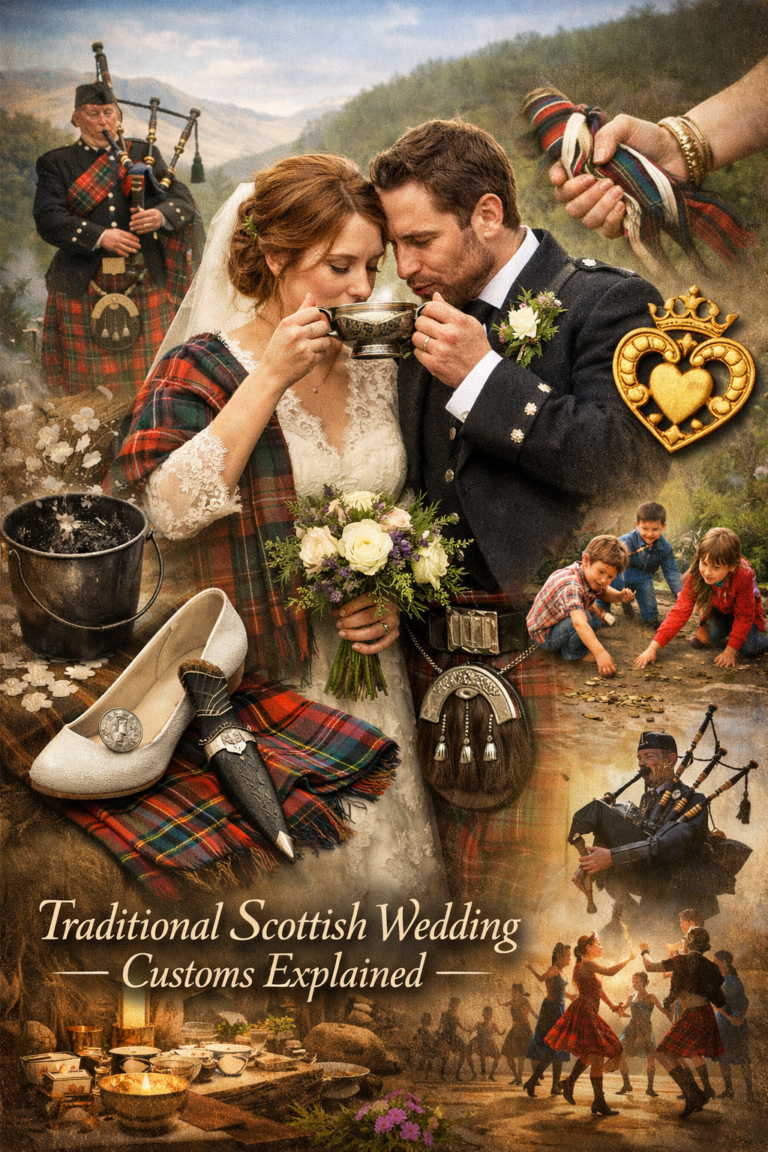
The Quaich Ceremony: A Symbol of Unity
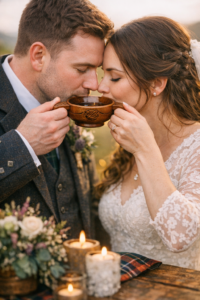
One of the most iconic Scottish wedding traditions is the quaich ceremony.
A quaich (pronounced “quake”) is a shallow, two-handled drinking cup traditionally used to share whisky or another drink.
The couple drinks from the same cup to symbolize trust and unity
Passing the quaich with both hands shows respect
It represents the joining of two families
Historically, the quaich was also used to offer a drink to guests as a sign of hospitality and peace.
Traditional Scottish weddings often feature the groom and male guests wearing kilts.
Kilts display clan tartans, representing family heritage
The groom may wear his own clan tartan or his partner’s to show unity
Accessories like the sporran, sgian-dubh, and jacket complete the outfit
This tradition proudly celebrates Scottish identity and ancestry.
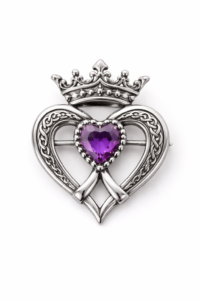
The Luckenbooth Brooch
The Sixpence in the Shoe
A charming Scottish tradition involves placing a sixpence coin in the bride’s shoe.
Symbolizes wealth and prosperity
Usually placed in the left shoe
Often gifted by the bride’s father
This custom is still followed today, sometimes with replica coins.
Blackening of the Bride (or Groom)
One of the more unusual traditions is the blackening ritual.
The bride or groom is covered in messy substances (like flour, soot, or food)
Then paraded around publicly
Meant to ward off evil spirits and prepare them for hardship
While not practiced everywhere, it remains a fun and symbolic pre-wedding event in some areas.
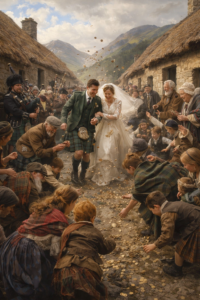
The Wedding Scramble
After the ceremony, the groom may toss coins to children gathered outside.
Known as the “scramble”
Children rush to collect the coins
Symbolizes good fortune and generosity
This tradition is less common today but still remembered fondly.
Bagpipes and Traditional Music
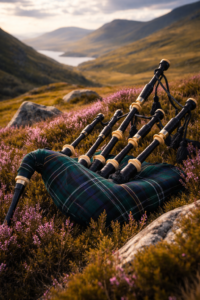
No traditional Scottish wedding is complete without music—especially bagpipes.
The bride is often piped into the ceremony
Music adds grandeur and emotion
Traditional dances like the ceilidh are common at receptions
A ceilidh brings guests together with energetic group dancing, making it a highlight of the celebration.
The Role of the Piper
A piper plays an important ceremonial role:
Welcomes guests
Announces the arrival of the bride
Leads the couple out after the ceremony
This adds a distinctly Scottish atmosphere.
Why These Traditions Still Matter Today
Modern Scottish weddings often blend tradition with contemporary style. Couples may choose just a few customs or incorporate many, depending on personal preference.
These traditions endure because they:
Strengthen cultural identity
Add meaning to the ceremony
Create memorable, unique experiences
Frequently Asked Questions (FAQ)
What is the most popular Scottish wedding tradition?
The quaich ceremony and wearing kilts are among the most widely recognized and practiced traditions today.
What does a quaich symbolize?
A quaich symbolizes trust, unity, and the sharing of life together. Drinking from it represents the couple becoming one.
Is handfasting legally binding in Scotland?
Historically it could be, but today it is usually a symbolic ritual included in the ceremony rather than a legal contract.
Why do Scottish brides carry a sixpence?
The sixpence is carried for good luck and financial prosperity in marriage.
What is a ceilidh?
Traditional Scottish wedding customs are more than just rituals—they’re meaningful expressions of love, unity, and heritage. From sharing a quaich to dancing at a ceilidh, each tradition tells a story that connects the past with the present.
Whether you’re planning a fully traditional ceremony or simply incorporating a few elements, these customs can make your wedding truly unforgettable.
A ceilidh is a traditional Scottish social gathering featuring music and group dancing, often held at wedding receptions.
Do all Scottish weddings include blackening?
No, blackening is optional and more common in certain regions. Many modern couples choose not to include it.
Can non-Scottish couples include these traditions?
Absolutely. Scottish wedding customs are widely embraced by couples around the world who appreciate their symbolism and heritage.
Final Thoughts
Traditional Scottish wedding customs are more than just rituals—they’re meaningful expressions of love, unity, and heritage. From sharing a quaich to dancing at a ceilidh, each tradition tells a story that connects the past with the present.
Whether you’re planning a fully traditional ceremony or simply incorporating a few elements, these customs can make your wedding truly unforgettable.